
Plantation 2017
Greening the Hills: PGSSS's Ongoing Mission to Reclaim Barren Land Through Plantation
In the lush yet challenging terrain of Uttarakhand, traditional farming is losing its economic viability. As a result, rural populations are steadily migrating to urban centers in search of better opportunities. This shift not only threatens the cultural and ecological identity of the region but also leaves vast stretches of once-cultivated land barren and unused.
Parivartan Grameen Samaj Sevi Sanstha (PGSSS)has recognized the urgent need to reverse this trend. In 2017, as in previous years, PGSSS launched a dedicated plantation drive with a dual purpose—reviving the local ecology and rebuilding sustainable livelihoods.
Fruitful Steps Toward Sustainability
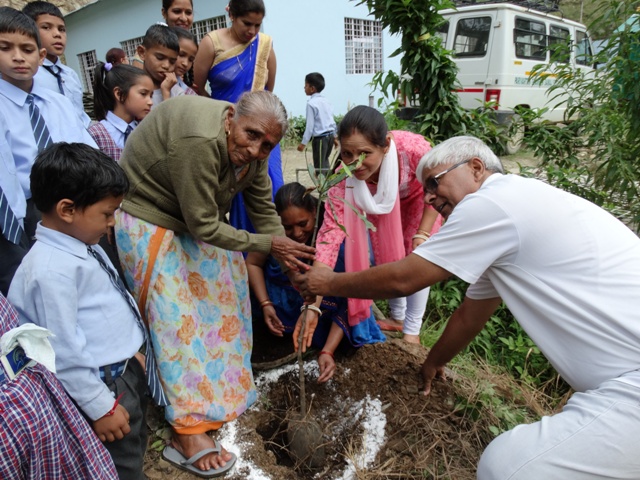
One of the cornerstones of this initiative has been fruit tree plantation. This year, PGSSS volunteers, alongside local community members, planted a variety of fruit-bearing trees—mango, citrus, amla, and pomegranate—across the village of Kanda. These species were selected not just for their ecological benefits but also for their potential to generate income in the long run.
Additionally, PGSSS has taken bold steps by introducing “Green Gold” plants like teak on barren lands. Teak trees, known for their economic value, are a long-term investment in both environmental conservation and financial stability for the local people.
Building Environmental Consciousness Through Education
At Parivartan Public School, environmental awareness begins in the classroom. As a certified “Green School,” it integrates nature education into everyday learning. Children are not only taught about the importance of trees but are also involved in the plantation activities—growing up with a deep respect and responsibility toward the environment.
A Plea for Policy Reform
While PGSSS and its supporters are doing their part on the ground, policy frameworks often pose challenges. A current regulation by the Government of India, backed by the Supreme Court, prohibits tree cutting above 1000 meters sea level. Though intended to protect forests, this law can be counterproductive for hill residents who wish to cultivate their land for sustainable agro-forestry or cash crops.
PGSSS believes that such policies need thoughtful reconsideration, especially when local efforts are aimed at enhancing green cover and empowering communities. The hill regions deserve flexibility to responsibly manage their own natural resources.
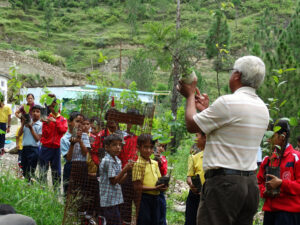
PGSSS invites individuals, environmentalists, and policy-makers to join hands in reclaiming barren land, restoring ecology, and revitalizing rural livelihoods. Every sapling planted today is a promise of a greener, more sustainable tomorrow.
Let’s bring back the green to the hills—one tree, one village, one future at a time.